
Industry
Stat

The concrete industry could easily support more than 500 CIM graduates per year.
Which career in concrete is right for you?

The concrete industry has a wealth of surprising opportunities waiting for anyone with the drive, passion, and courage to forge their own path. Find out what awaits you.

Career Paths

Business Development and Sales

Maintains outstanding customer service, generates sales, merchandising and safeguards company assets. Initiates new sales by relationship development and seeking additional products and services through knowledge of the market. Employers include concrete producers or material suppliers, contractors, equipment or software companies.

Construction Safety

Provides safety services and assesses risk to the health and safety of employees and the environment, ensures compliance with regulations, analyzes trends and regulatory environments and reviews safety statistics. Employers include quarries, concrete producers or cement companies and contractors.

Construction Superintendent

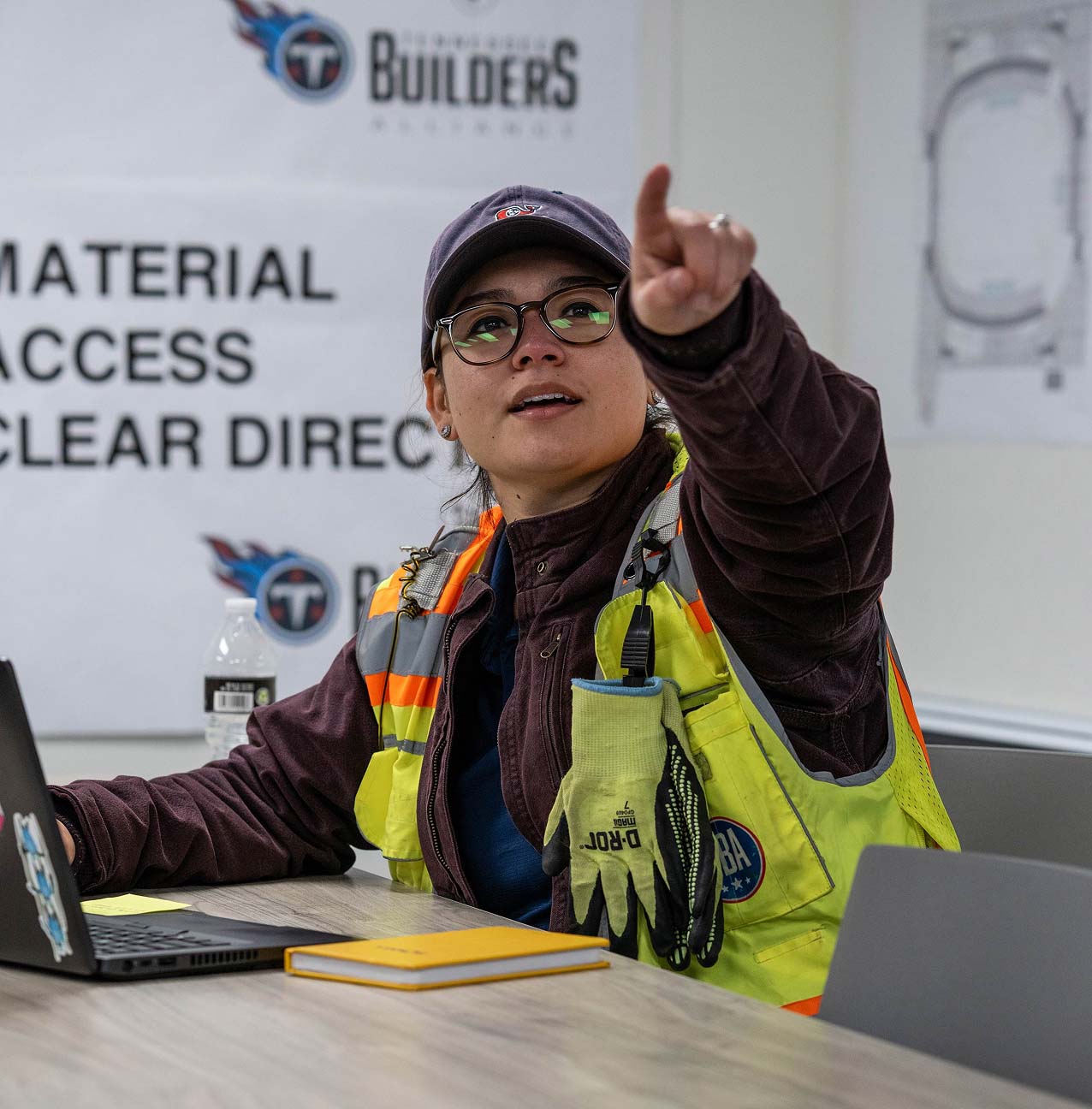
Oversees the operations of a construction site from planning to operation. Works in the field daily scheduling and supervising all activities, ensuring the safety and compliance of the site.

Entrepreneur

Plans and directs company operations. Creates policies, sets goals and meets with potential investors and clients. Entrepreneurs involved with daily tasks also hire staff and prepare work schedules.

Estimating

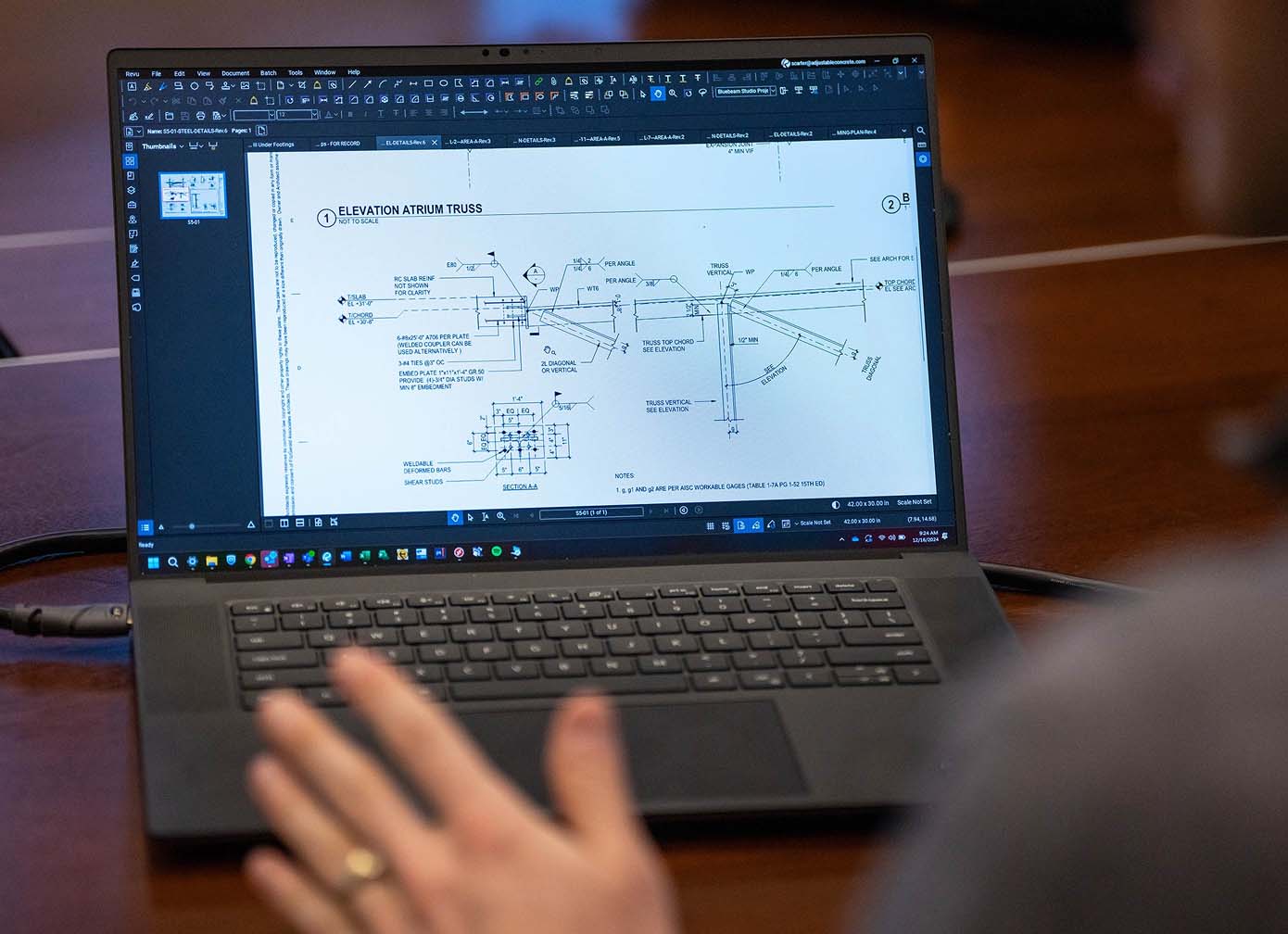
Estimates work required for projects by gathering proposals, blueprints, specifications and related documents.

Field/Technical Services Sales Manager

Monitors and assures the quality of constituent materials and concrete mixes. Assigns field/service staff to a wide variety of duties in the field, laboratory and office as required.

Financial and Accounting

Trains and supervises accounting staff in the maintenance of financial accounts and preparation of financial reports and performs related duties.

Human Resources

Recruits, screens, interviews and places employees. Handles employee relations, payroll, benefits and training. Plans, directs and coordinates the administrative functions of an organization.

Laboratory Researcher

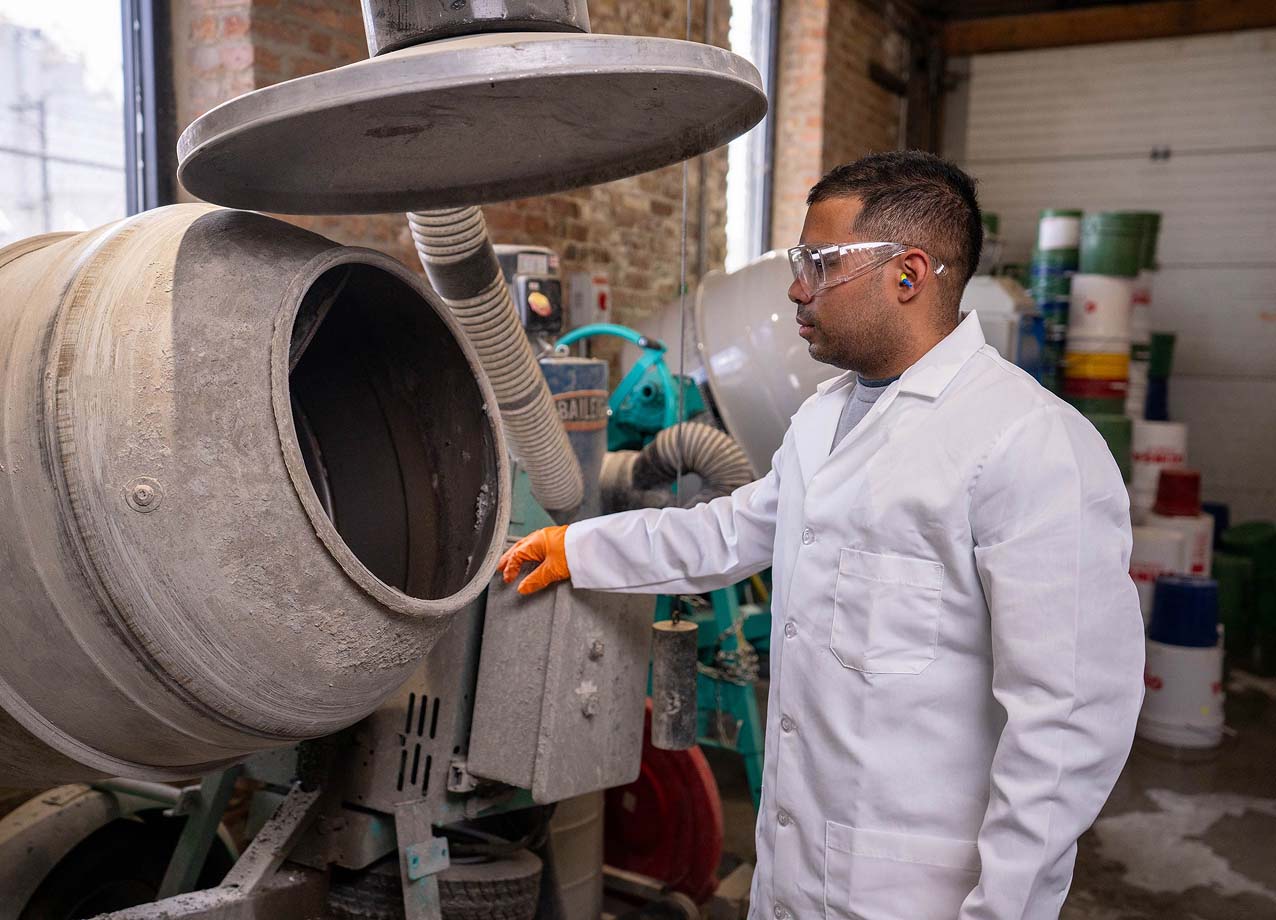
Participates in a variety of research or analytical laboratory support activities for a testing or research program. Requires knowledge of laboratory methods, practices, procedures, policies, regulations, laboratory materials and equipment.

Logistics Specialist

Schedules and dispatches workers and work crews, equipment and service vehicles for conveyance of materials, freight (both import and export) or passengers and/or normal installation, service or emergency repairs rendered outside the place of business.

Marketing and Communications

Develops and manages marketing strategy, public relations, branding, digital and communications programs.

Operations Manager

Manages all production operations. Provides overall leadership and direction to those responsible for production, sanitation, distribution logistics and maintenance operations.

Plant Manager / Plant Superintendent

Manages the daily operations of the plant including meeting production goals, motivating employees, fostering teamwork and ensuring daily productivity and safety objectives.

Project Manager

Budgets, coordinates, oversees and plans construction projects from start to finish.

Quality Control / Quality Assurance

Assures products or materials meet standards and don’t deviate from specifications. Work environment and job duties can vary. Employers include concrete producers engineering firms and testing agencies.

Supply Chain

Manages the entire system that produces and delivers a product from sourcing the raw materials to the final delivery of the product to its end users. It includes the flow of materials, products and information associated to all of them, making it one of the most complex areas of the construction value chain.

Sustainability / Environmental, Social and Governance (ESG)

Ensures environmental compliance, develops sustainability programs and ensures compliance with hazardous material regulations. Develops and maintains systems identifying location of hazardous materials; runs hazardous material training programs.

Virtual Design And Innovation

Assists project teams and implements technology like Building Information Modeling (BIM) and virtual design and construction methodologies.

Industry
Stat

Concrete is a $200 billion dollar industry

The concrete industry is looking to the CIM program to develop the work force that’s going to assume the roles of the concrete professionals who will be retiring during the next 10 to 15 years.

Graduate Stories

Industry Leaders

We need your help as an advocate for the program, among your network and within your company. We are dreaming big for the future of concrete and we would love for you to join us.

Ready to do your part advancing the concrete industry?